MetaTrader 4 Tools Bangladeshi Traders Use to Organize Their Watchlists
On a trading platform, watchlists appear to be a minor organizational detail, until traders begin tracking a large number of instruments, at which point a cluttered list becomes an impediment to spotting opportunities in time. Bangladeshi traders typically accumulate dozens of symbols within a few weeks of opening an account when they track currency pairs, gold, and sometimes regional indices. Without some way to organize them, a watchlist turns into noise that obscures useful signals. A structured watchlist gives traders a consistent view of the markets they follow and shortens the time needed to act on a developing price move.
Customizable watchlist tabs rank among the most underused features of this platform. These tabs allow traders to separate instruments by category, which removes the need to scroll through one undifferentiated list every time they want to check a price. Traders following dollar pairs, gold, and several commodity CFDs can divide those into separate groups to reduce the cognitive load of parsing an entire symbol list to view one relevant quote. When starting to trade on MetaTrader 4, many new traders skip this setup entirely in the first few weeks and adopt it only once the default list has grown long enough to slow down routine price checks.
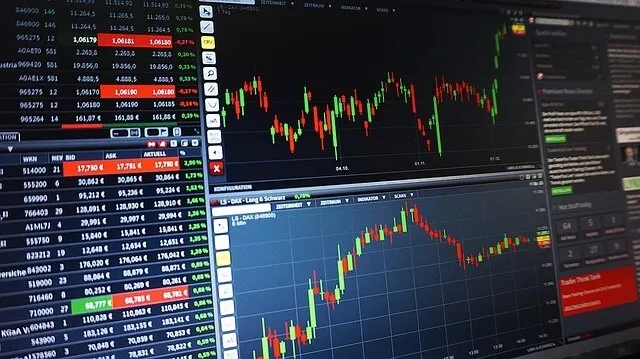
Image Source: Pixabay
The watchlist’s right-click context menus give quick access to specifications that many traders overlook, including swap rates, contract sizes, and margin requirements for each instrument. These details carry particular weight for Bangladeshi traders who hold overnight positions. Swap fees are calculated on the differential of interest rates between the two currencies in a pair and can eat into profits on positions held for more than one session. When traders can see these details right on the platform, they are less likely to be surprised when they get their monthly statements. Since margin requirements and contract sizes vary by instrument, traders should check these parameters before opening positions to help them keep their exposure consistent across their watchlists.
Color coding and sorting options serve a practical purpose for traders holding many open positions across different time zones. Sorting a watchlist by percentage change brings the most active instruments to the top of the list at any given time. That feature carries particular value during the overlap of London and New York trading hours, when volatility can spike. Traders scanning an alphabetically sorted list during that window can miss a major move when the relevant symbol sits near the bottom of the list. Saved templates and profiles allow traders to store specific watchlist and chart-layout combinations, which suits those running different strategies at different times of the day. Bangladeshi traders who monitor Asian-session ranges in the morning and shift to dollar pairs at the London open can move between saved profiles without rebuilding the workspace each time. Many traders postpone the initial time investment this setup requires, and the benefit of completing it accumulates each day the templates remain in use.
Mobile synchronization between the platform’s desktop and phone versions is gaining importance as a growing number of Bangladeshi traders check their positions while commuting or during work breaks, away from a dedicated desk. Watchlist changes on one device usually sync to the other. Traders sometimes see inconsistencies between the two versions, depending on connection quality or the settings on the account server. Periodic checks to ensure that both versions are the same will help to avoid confusion when a quick decision matters. Good sync is useful when the market moves and you are away from your main workstation.
It is not possible to accurately predict the direction of the market or ensure profitable entries by effectively organizing a watchlist within MetaTrader 4. The value of this feature lies in the fact that it eliminates a layer of friction that competes for attention during times when clarity is of the utmost importance. Those traders most likely to see relevant price action early are those who are willing to change their watchlist structure as strategies change and new instruments rotate in. Periodic review helps to ensure the tracking rules and saved profiles correspond to the sessions and markets each trading approach is based on. Such an approach to watchlist management allows for timely informed decisions to be made during the trading day.