Banxico’s Hedging Program Acts as a Quiet Backstop Behind Peso FX Trading
Retail participants watching the dollar-peso rate may not think about the institution standing quietly behind the market. The Foreign Exchange Commission, made up of representatives from the Finance Ministry and Banco de México, rarely makes headlines when conditions are calm. Its tools are designed to sit in the background, available when liquidity dries up and largely invisible when it does not, which is exactly why they are so easy to overlook.
The hedging program at the center of this framework was introduced in 2017, during a stretch of intense peso pressure following the US presidential election. Rather than selling dollars directly from reserves, the central bank began auctioning foreign exchange hedges settled in pesos, essentially non-deliverable forwards that give companies and investors protection against depreciation without draining the country’s dollar holdings. The initial ceiling was set at $20 billion, and the commission increased it by $10 billion to $30 billion in March 2020, when emerging market currencies were being sold almost indiscriminately. This framework also provides a backdrop for FX trading in the peso.
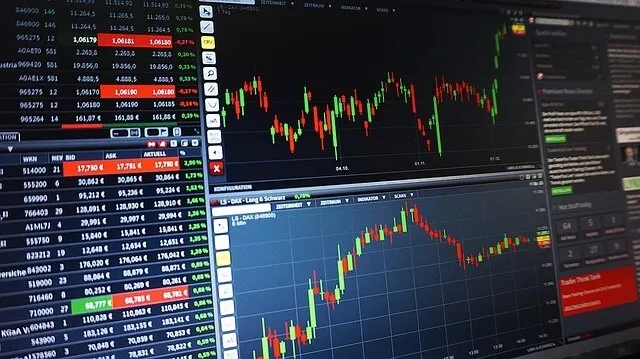
Image Source: Pixabay
Design choices matter here. Because the contracts settle in pesos, the program can absorb demand for currency protection while keeping international reserves intact, a point economists often cite as one of its main strengths. Corporations with dollar-denominated debt can hedge exposure without rushing into the spot market at the worst possible moment, and that reduced urgency may help soften the kind of disorderly selling that produces sudden gaps in price. The effect is less about setting a level for the currency than about keeping the market functioning.
For anyone trading the peso, this backdrop shapes the character of volatility in subtle ways. Sharp moves still happen, as the reactions to elections, trade disputes and global risk-off episodes have shown. Yet the knowledge that authorities can step in with hedges or dollar credit auctions may help reassure participants when liquidity comes under pressure. The peso can fall quickly during periods of market stress, and the existence of these instruments is part of that reputation.
Restraint is just as important as availability. Banxico has long emphasized its commitment to a free-floating exchange rate and has generally avoided intervening to defend particular levels. Interventions have generally been infrequent, with major measures publicly announced, typically framed as responses to market dysfunction rather than attempts to steer the price. That transparency can help participants distinguish between policy actions and ordinary market noise, potentially reducing speculation about hidden intervention that sometimes clouds other emerging market currencies.
Retail traders tend to encounter the program only indirectly, through news alerts or sudden shifts in sentiment after a commission statement. Spanish-language trading communities may discuss it when the peso comes under heavy pressure, usually with questions about whether authorities might act and how quickly. Beginners may not realize that an institutional safety net is available to support market functioning during periods of stress. Calm markets make backstops seem unnecessary, and stressed markets make them seem indispensable. The peso has spent stretches in both conditions over the past decade, and the hedging program has remained a constant through each of them. Understanding that framework does not predict where the currency will trade next, but it does help explain how the hedging program can support orderly FX trading in one of the world’s most liquid emerging market currencies during periods of stress.